Bidwells is a 185-year-old property consultancy headquartered in Cambridge, and through its Nexus 2030 strategy it is working to double the size of the business by 2030, expanding into new regions such as Manchester and Bristol, strengthening its capital markets advisory with senior hires, and investing to lead the market in using data and AI across property services. Tom Handy is a Senior Surveyor in the capital markets team, advising clients on the acquisition and disposal of investment properties across the UK. He has been using Pantera since December 2025.

The challenge
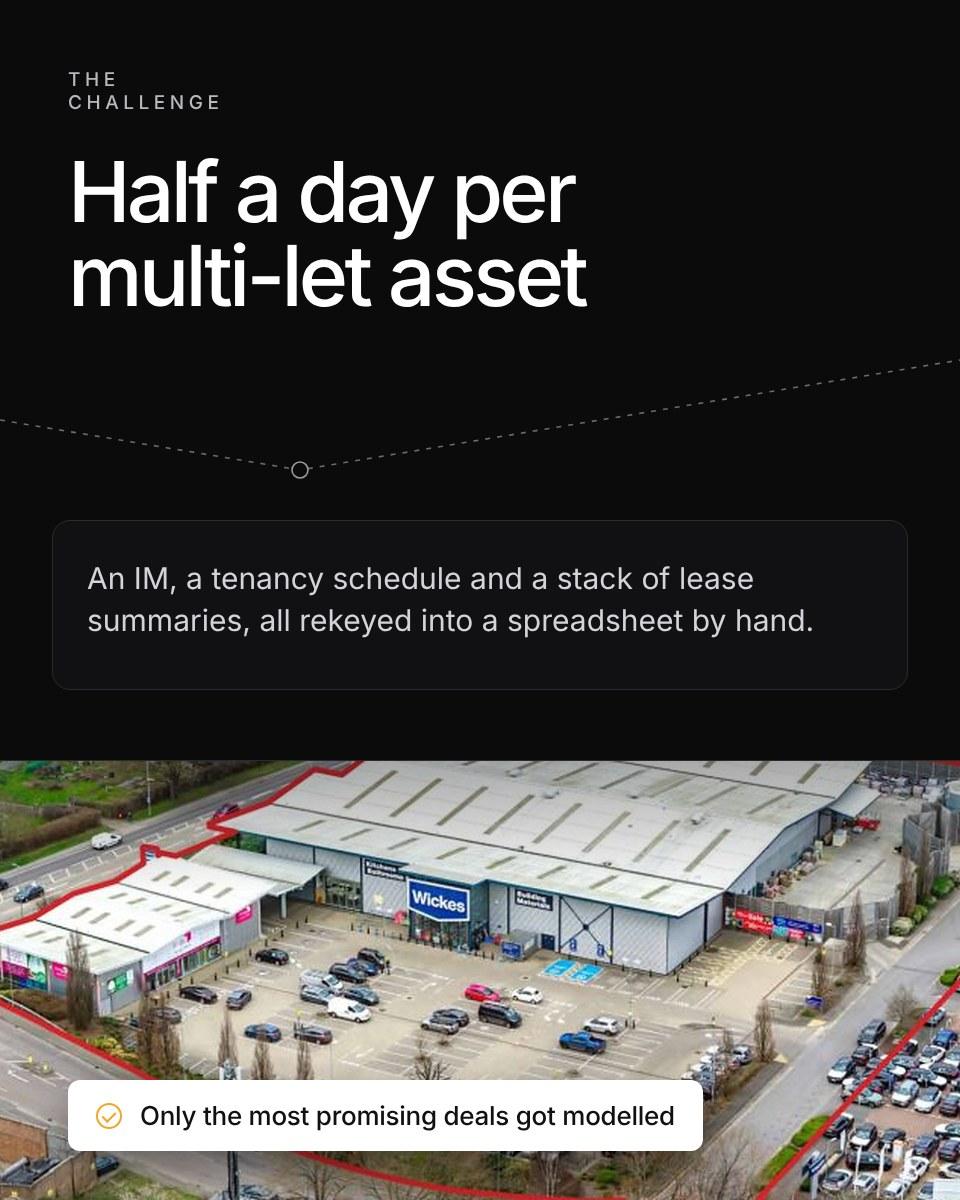
In capital markets new opportunities arrive constantly, and they often arrive as a pack of documents: an information memorandum, a tenancy schedule and “a stack of lease summaries”. Building a proper underwrite for a multi-let asset meant taking the tenants, rents and lease terms out of those PDFs and keying them into a spreadsheet by hand, which took the best part of half a day before any real analysis could begin.
With that much time needed per asset, Tom had to choose where to spend it. Like most capital markets advisers, he would “only model the ones that looked most promising” and judge the rest on experience. That approach works for the obvious deals, but it carries a hidden cost, because some opportunities only reveal their potential once the tenancy detail is worked through, and nobody sees the ones that were never modelled.
Why Pantera
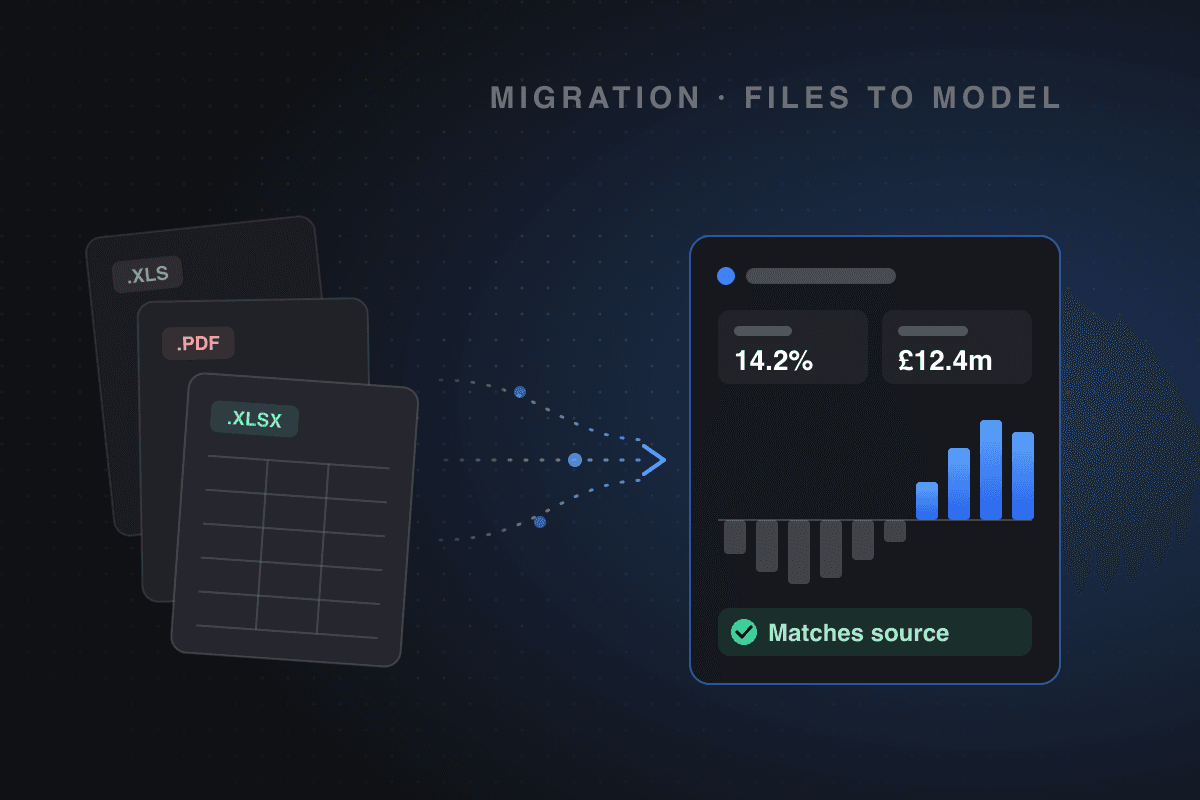
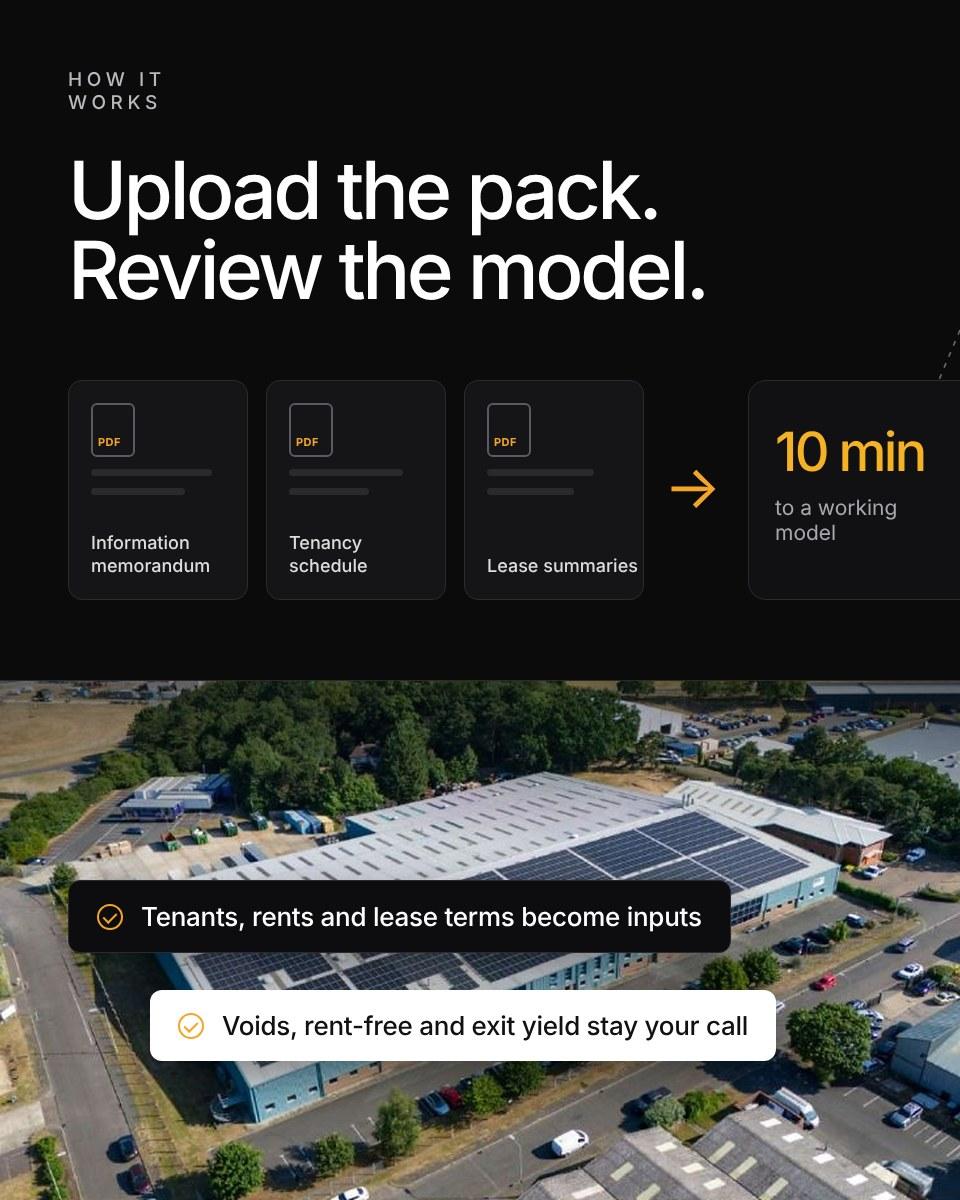
Instead of rekeying figures from each document, Tom uploads the whole pack in one go and lets Pantera’s AI “pull the information together into a working model”. Because the AI is built specifically for real estate, it understands what it is reading in a tenancy schedule or a lease summary, and it structures tenants, rents and lease terms as model inputs rather than loose text.
Pantera has changed how I screen deals. Now I can take a multi-let asset from IM to an accurate high-level underwrite in about 10 minutes, so every opportunity gets looked at properly.
For an adviser whose name sits behind the numbers, speed only matters if the output can be trusted, and that is where the control built into the platform made the difference. Every extracted input is presented for review before it goes anywhere, and the commercial judgement stays entirely with the surveyor.
The team behind the platform has mattered just as much as the software. “Working with the Pantera team has been excellent from day one,” Tom says, and when he needs help, “the response has been almost immediate, whether by phone or email, which matters when you’re turning an underwrite around for a client on a live deal.”
There’s no ticketing system or waiting days for an answer. You speak to people who understand both the software and how property professionals actually work.
The results
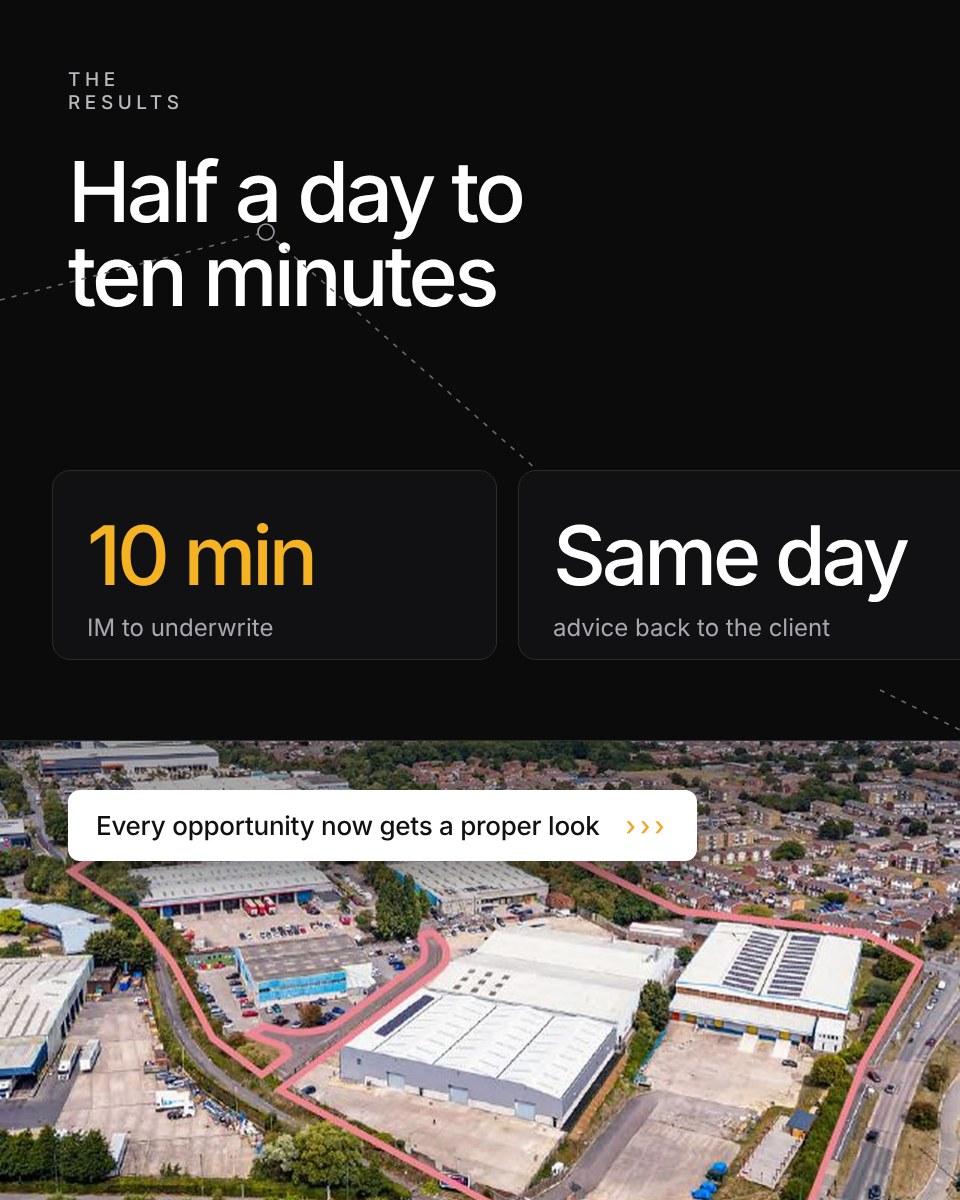
From half a day to 10 minutes
An underwrite that once took half a day is now ready in ten minutes. The AI does the extraction, and Tom does what clients actually rely on him for, which is testing the numbers and forming a view. Taking out “the most tedious and error-prone part of the process” also means every model starts from a cleaner base, with less time spent on internal checks before anything goes to a client.
What used to take half a day in a spreadsheet now takes me 10 minutes.
Checking and refining, not retyping
The speed comes from the AI, but control stays with the surveyor. Tom reviews every tenant, rent and lease term the platform has picked out, then sets his own assumptions on voids, rent-free periods and exit yield, so the view on value and returns is his judgement applied to accurate data rather than an answer from a black box.
It picks out the tenants, rents and lease terms and structures them into inputs I can review, so I’m checking and refining rather than retyping.
Every opportunity gets a proper look
Because a credible underwrite now costs minutes rather than hours, Tom no longer has to ration his modelling time. Every deal that crosses his desk is run through the numbers, including the ones that look unremarkable on a first read. Those are often where the overlooked value sits, the “less obvious opportunities that only show their potential once you run the figures”, and they no longer slip past unmodelled.
Sharper advice, delivered the same day
The biggest change is in what clients receive. Tom can now tell them “whether a deal stacks up, where the value sits and what the risks are”, with numbers behind every point, and on the day the deal arrives. In a market where speed of response shapes who wins an instruction and who gets the first call on the next one, that turnaround is a genuine commercial advantage.
It means I can turn an underwrite around for a client the same day a deal lands, not later in the week.
What’s next
“It keeps getting better”
For Tom, what sets Pantera apart is “how open they are to feedback”. When he suggests an improvement or flags something that would make his workflow easier, “they genuinely listen, and more often than not the update follows quickly.”
As a result, the platform has evolved noticeably since I first started using it. It’s become faster, more intuitive and more capable, and it keeps getting better.
The platform Tom uses today has been shaped by feedback from users like him, and it keeps improving around the way they actually work. As he puts it, it is “reassuring to work with a team that’s clearly committed to building the best tool for the job and is happy to bring its users along on that journey.”
Advisory capacity that grows with the team
As Bidwells builds out its capital markets advisory under Nexus 2030, the value of this way of working scales with every hire. Each surveyor who can screen every deal properly and turn advice around the same day adds capacity to the team without adding hours to the week, which fits a firm that has made growth and the use of data and AI central to its plans.
In Tom’s words
That’s made my advice to clients sharper. I can tell them quickly whether a deal stacks up, where the value sits and what the risks are, with numbers behind it rather than a hunch.
From there I set my own assumptions on voids, rent-free and exit yield, and I’ve got a credible view on value and returns straight away.